
The Evolution of Tourism in the Maldives: From Isolation to Icon
The Maldives, now synonymous with turquoise lagoons and overwater villas, was not always the global tourism powerhouse it is today. The story of Maldivian tourism is one of transformation—shaped by geography, resilience, and a growing desire to share the islands with the world.
Before Tourism: An Isolated Paradise
For centuries, the Maldives remained relatively untouched by international visitors. Life revolved around fishing, boat building, and trade along Indian Ocean routes. With limited infrastructure and remote island communities, the country was largely absent from the global travel map.
The Birth of Tourism in the 1970s
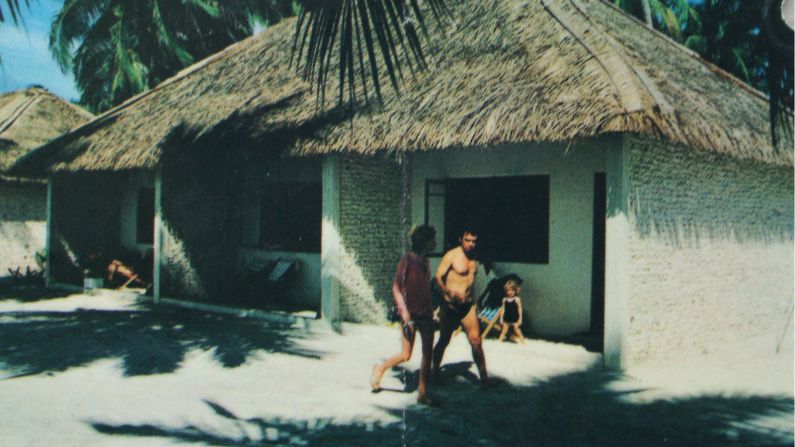
Tourism in the Maldives began modestly in 1972, when the country opened its first resort, Kurumba Village (now known as Kurumba Maldives). At the time, there were no airports as we know them today, limited communication, and minimal facilities—but the natural beauty of the islands was undeniable.
Early visitors were drawn by curiosity and adventure rather than luxury. What started as a small experiment quickly revealed enormous potential.
The Rise of the One-Island, One-Resort Concept
As tourism developed, the Maldives introduced a unique model: one island, one resort. This concept allowed each resort to operate independently, preserving privacy while minimizing environmental and cultural disruption.
It became a defining feature of Maldivian tourism—offering exclusivity while maintaining the delicate balance between development and preservation.
Expansion and Global Recognition
Through the 1980s and 1990s, tourism expanded steadily. Infrastructure improved, international flights increased, and the Maldives began to attract a wider audience.
Luxury brands entered the market, transforming the country into a high-end destination. Overwater villas, once an innovation, became an iconic symbol of Maldivian travel.
By the early 2000s, the Maldives had firmly established itself as one of the world’s most desirable tropical destinations.
Challenges and Resilience
The journey was not without challenges. The 2004 Indian Ocean tsunami had a significant impact on the islands, damaging infrastructure and disrupting tourism.
However, the nation’s recovery was swift and determined. Resorts were rebuilt, systems improved, and the Maldives emerged stronger—demonstrating remarkable resilience.
A Shift Toward Local Tourism
In recent years, a new chapter has begun. The introduction of guesthouses on local islands opened the Maldives to a broader range of travelers.
This shift allowed visitors to experience everyday island life while supporting local communities. It also marked a move toward more inclusive and sustainable tourism.
The Future of Maldivian Travel
Today, the Maldives stands at a crossroads. While luxury tourism remains a cornerstone of the economy, there is a growing emphasis on sustainability, cultural preservation, and authentic experiences.
This evolution reflects a deeper understanding: the true value of the Maldives lies not only in its beauty, but in its people, traditions, and way of life.
A Story Still Being Written
From a little-known island nation to a global travel icon, the history of tourism in the Maldives is a testament to vision and adaptability.
As the industry continues to evolve, the focus is shifting—from simply attracting visitors to creating meaningful connections between travelers and the islands they explore.
The Maldives is no longer just a destination.
It is a story—one that continues to unfold with every traveler who arrives.
Related News
Oevay: Discovering the Real Maldives Beyond the Postcards
May 2, 2026
3 min read
The Culture of the Maldives: Traditions Beneath the Surface
May 2, 2026
2 min read
Sustainable Tourism in the Maldives: Protecting Paradise for the Future
May 2, 2026
2 min read
Travel Tips for the Maldives: Making the Most of Your Island Experience
May 2, 2026
2 min read